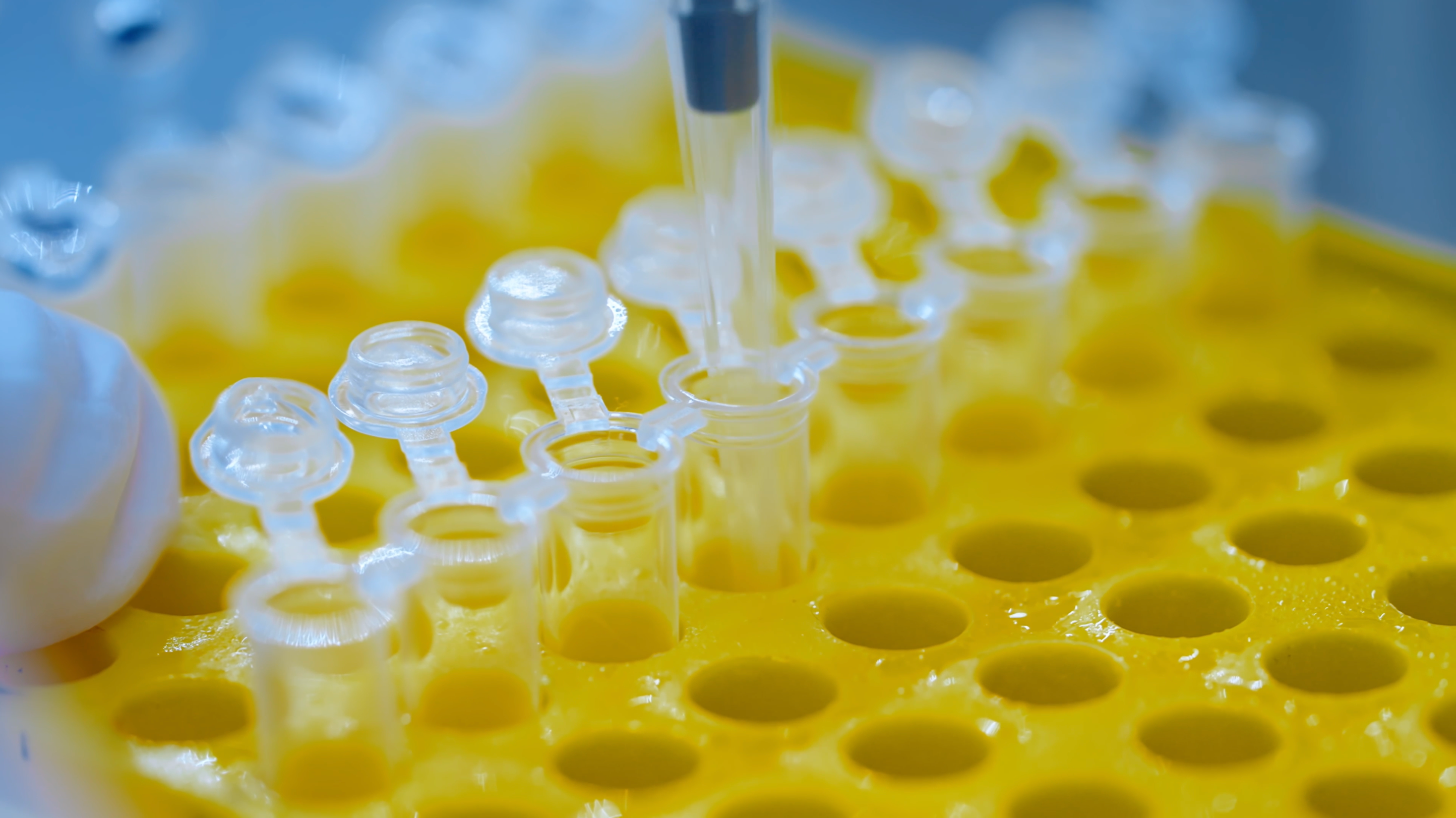

Saussurea Involucrata Callus
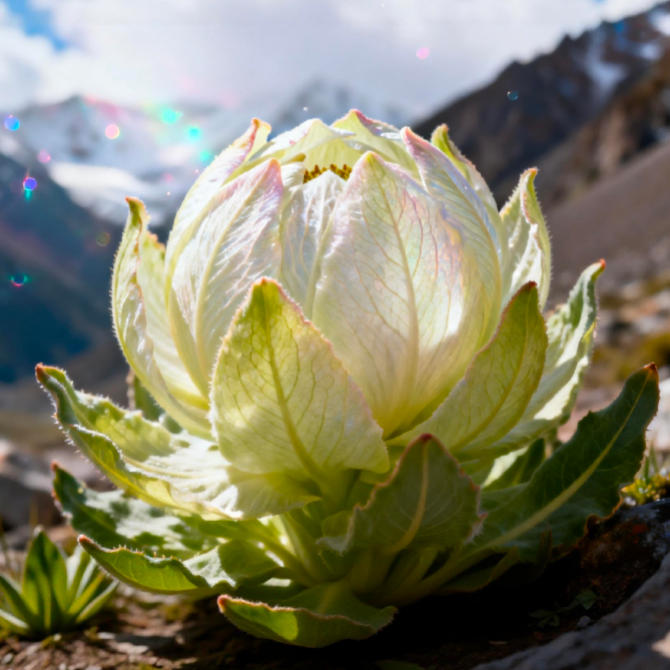

Tianshan SSaussurea Involucrata Callus, historically revered as one of China’s Nine Mystical Herbs, has traditional benefits in nourishing blood and promoting circulation. To address endangered wild resources, we developed Saussurea Involucrata Callus culture through modern plant cell technology.
This ingredient holds China’s Novel Food certification, with stable composition and zero pesticide residues. Key actives (syringin, chlorogenic acid, flavonoids, etc.) are significantly higher than wild sources, with greatly enhanced bioavailability for skincare and wellness.

✔Soothing & Repair
✔Anti-wrinkle & Anti-aging
✔Brightening
01